
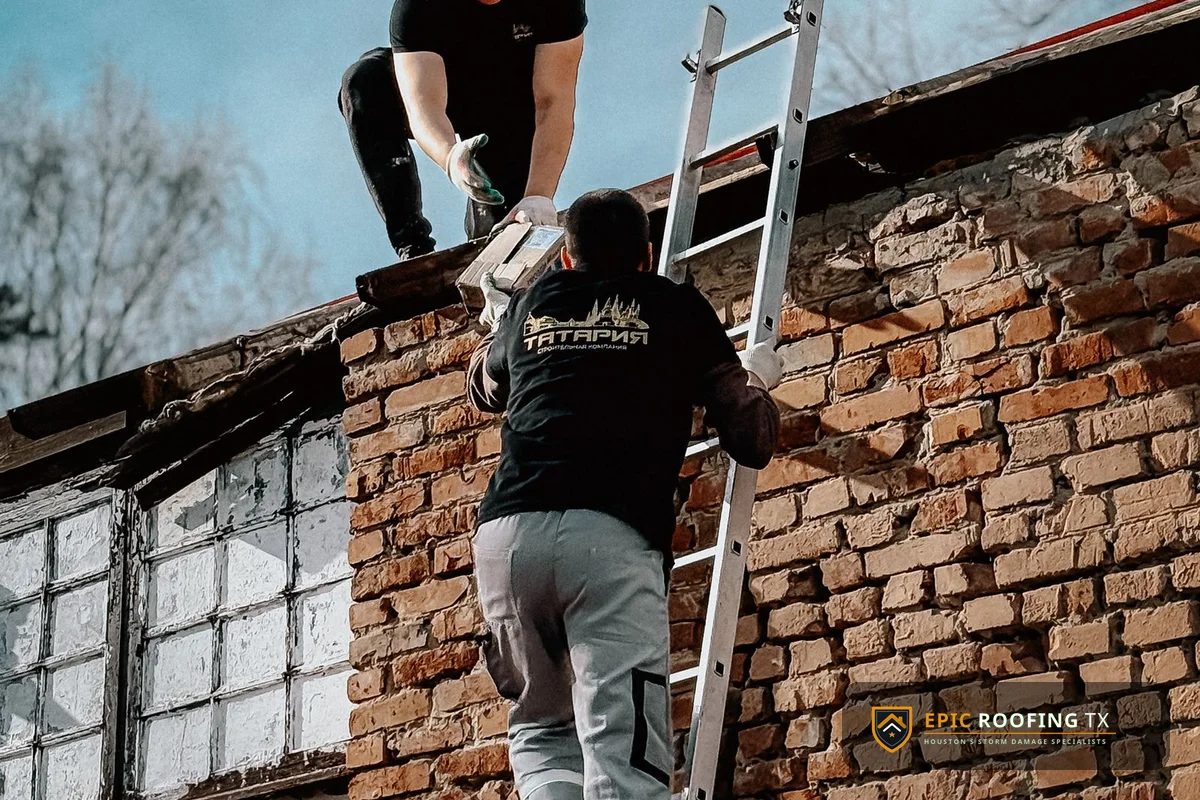
It is 11 PM, rain is drumming through the hole in your ceiling, and you are standing in the garage staring at a ladder and a blue tarp wondering if you should climb up there yourself. I have been the guy who gets called the next morning — sometimes to finish the job, sometimes to fix what the midnight tarping made worse.
Here is the truth most articles will not give you straight: a DIY tarp is better than no tarp when water is actively pouring in. But the gap between a tarp that holds through the next storm and a tarp that becomes a sail in the next gust is wider than most homeowners in Pasadena and Pearland realize. Let me show you exactly where DIY works, where it fails, and what a professional emergency tarping crew does differently.
When a DIY Tarp Is the Right Emergency Move
If water is coming in right now and no crew can reach you for hours, do not wait — a fast, imperfect tarp beats standing water in your attic every time. Water soaks insulation, swells decking, and feeds mold within 48 hours in Houston humidity. Speed matters more than perfection at 2 AM.
- Use a heavy-duty tarp, 6 mil or thicker: the thin blue ones shred in real wind.
- Go over the ridge: the tarp must drape past the peak so water cannot run under the top edge.
- Extend 4 feet past the damage in every direction: leaks travel along decking before they drip.
- Secure with 2x4 battens, not bricks: screw battens through the tarp edges into the roof — bricks become projectiles.
- Stay off steep or wet slopes: if the roof is steep, wet, or you are unsure of your footing, stay on the ladder and call for help.
One critical warning: never staple or nail through the middle of the tarp into your shingles. Every puncture is a future leak. If you must fasten, do it at the edges over battens, and plan on a professional roof repair to address both the original damage and your tarp holes.
Where DIY Tarping Goes Wrong
The number one failure I see: the tarp stops at the damage instead of crossing the ridge. Water runs downhill, so a tarp that ends mid-slope just funnels rain straight under its own top edge. The number two failure is size — an 8x10 tarp on a 12-foot damage zone. The number three is fastening: sandbags and bricks shift, rope saws through shingle edges, and the whole thing ends up in the neighbor's yard in Friendswood during the next thunderstorm.
There is also the safety math nobody likes to hear. Wet shingles have the grip of a skating rink, and a 2 AM climb with a flashlight in your teeth is how falls happen. If the slope is steep, the decking might be soft, or the damage is near power lines, the right DIY move is buckets inside and a phone call, not a ladder.
How do you tarp a roof without causing more damage?
Run the tarp over the ridge line and extend it at least 4 feet past the damage on all sides. Secure edges with screwed-down 2x4 battens rather than nails through the tarp field, which puncture shingles and create new leaks. Lift the tarp into place instead of dragging it, since dragging strips protective granules. Pad sharp flashing edges so wind movement does not saw through the sheeting.
What Professionals Do Differently
A professional tarping is engineered, not improvised. We start by finding the actual breach — which is rarely directly above the ceiling stain, since water travels along decking and rafters before it drips. Then we size the tarp to the real damage zone, not the visible stain.
| Tarping Factor | DIY Tarp | Professional Tarping |
|---|---|---|
| Damage Assessment | Guessed from inside stains | Full exterior inspection finds the true breach |
| Tarp Size | Whatever is in the garage | Sized 4+ ft past damage, over the ridge |
| Fastening | Bricks, rope, staples | Screwed battens, sealed penetrations |
| Typical Hold Time | Days to weeks | 60 – 90 days through Houston storms |
| Insurance Documentation | None | Photos and reports that support your claim |
| Safety Risk | High — ladder, night, wet slope | Handled by equipped crew |
That documentation row matters more than people expect. When you file a storm damage claim, the adjuster wants proof you mitigated further damage — insurance policies require it. A professional tarping comes with dated photos and a written report. Your midnight tarp comes with a story. Both help, but only one is paperwork.
Will my insurance pay for emergency roof tarping in Texas?
Usually yes. Most Texas homeowners policies cover reasonable emergency mitigation, including professional tarping, under the 'duties after loss' section — and they can reduce your payout if you fail to mitigate. Keep every receipt. As with the repair itself, most homeowners pay only their insurance deductible, and remember that deductible waiving is illegal in Texas under House Bill 2102.
The Smart Play: DIY Tonight, Pro Tomorrow
These are not opposing choices — they are a sequence. Tarp it yourself tonight if water is coming in and help cannot reach you. Then get a professional tarping and inspection as soon as crews are available. The DIY tarp stops the bleeding; the professional tarp holds the line while your claim moves forward and the permanent repair gets scheduled.
If you are staring at that ceiling stain right now, call Epic Roofing & Construction LLC at (281) 326-9905. We will talk you through what to do tonight on the phone — free — and get a crew out for proper emergency tarping and a full damage assessment. Or send us a message online and we will respond as soon as crews are available.
Frequently Asked Questions
How do I check my Houston roof for damage after a hurricane without climbing on it?
Stand in your yard with binoculars to check the ridge line for torn shingles, examine the perimeter ground for fallen roofing granules, and inspect metal downspouts for wind dents. Look for displaced pipe jacks and lifted flashing along exterior walls. In Texas windstorm zones, safety comes first: never step onto a wet, storm-damaged roof with compromised decking.
What should I do first if water is actively dripping through my ceiling after a tropical storm?
Puncture the center of the sagging ceiling drywall with a screwdriver to drain trapped water into a bucket, move valuables out of the room, and take clear timestamped photos of the leak. Call an experienced roofer immediately for emergency roof tarping to prevent mold and structural wood rot.
How much roof damage from a hurricane is needed for insurance to replace the entire roof in Texas?
Most Texas insurance policies follow the standard that if more than 30% of the roof surface has wind creases, torn shingles, or blown-off decking across multiple slopes, the carrier approves a full roof replacement rather than spot repairs.
Can I file an insurance claim if only my ridge caps blew off during the storm?
Yes. Blown-off hip and ridge caps expose the top decking gap directly to rainfall. You should file a claim if the cost to repair the ridge assembly, underlying membrane, and water intrusion exceeds your policy deductible.